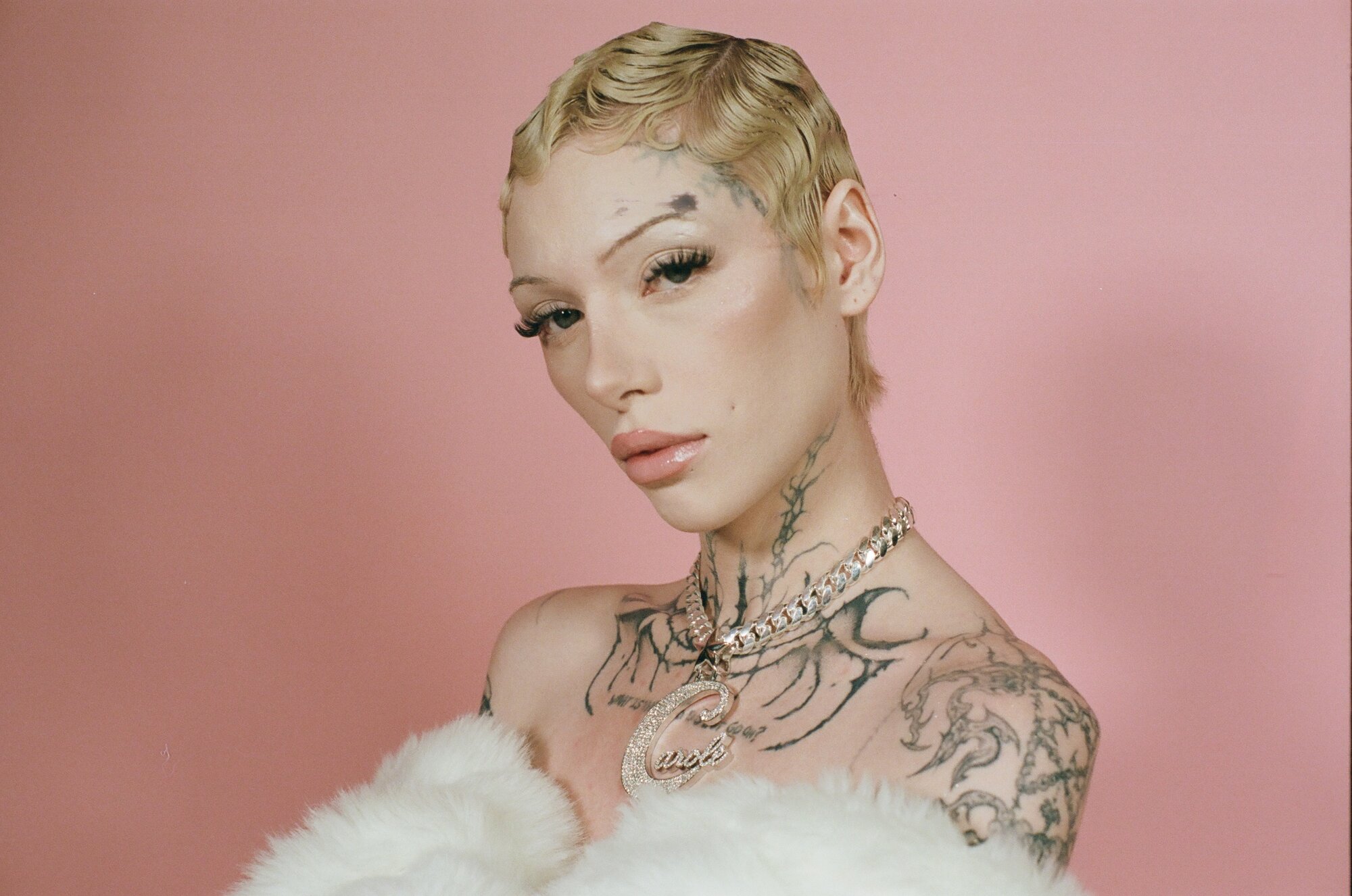
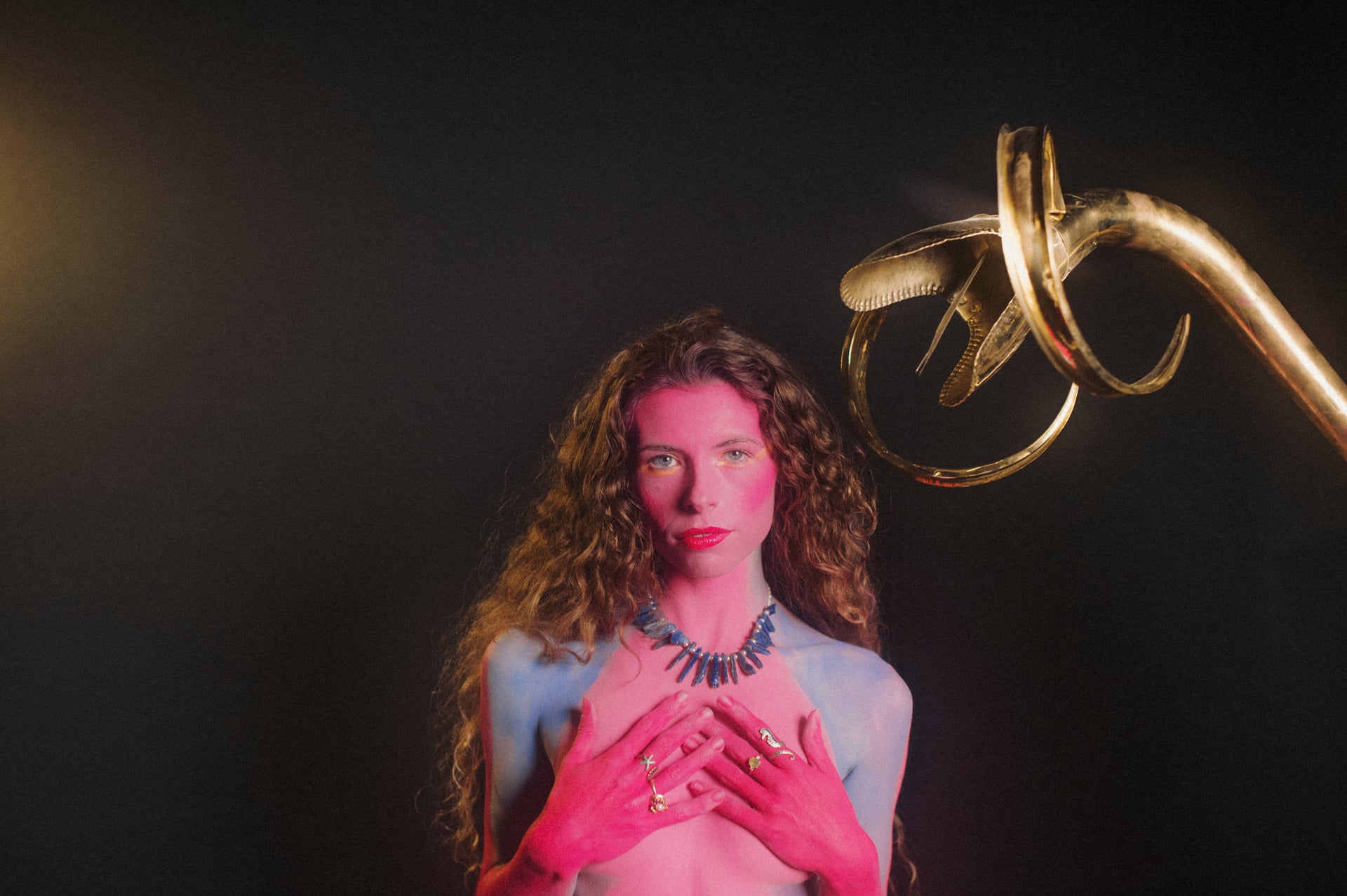
Hannah Wicklund has always viewed music as a form of pure expression. A guitarist, songwriter and multi-disciplinary artist, authenticity sits at the heart of what she creates, with her guitar becoming an extension of the emotions she needs to channel.
Her new album, War On Women; Calling All Good Men, arrives after a transformative period that saw Wicklund reclaim her autonomy and rediscover the joy of songwriting. Raw, defiant and ultimately hopeful, the record gave her somewhere to channel her anger while exploring artistic freedom, oppressive systems of power and the importance of speaking up in the face of injustice.
Now creating entirely on her own terms, Wicklund wants that sense of empowerment to extend beyond herself. From encouraging audiences to recognise their own power to launching The Strawberry Moon Tribune as a space where creativity can be seen and celebrated, this new chapter is as much about connection as it is self-expression. We caught up with Hannah to talk about reclaiming her creative freedom, her relationship with anger, meaningful allyship, the power of performing live and making art that inspires others to take up space. Read the Q&A below.
For anyone discovering Hannah Wicklund for the first time through this interview, how would you describe yourself as an artist and what drives you creatively?
“As an artist, I feel that I am always striving mainly for authenticity. My main motivator creatively is simply to make art that connects with my soul. When I sit down to write a song, it’s a moment of pure expression, not calculation.”
War On Women; Calling All Good Men was born out of an incredibly transformative period in your life and career. You’ve described making the record as rediscovering the pure joy of music – what did finding your way back to that feeling teach you about yourself as an artist?
Honestly, it taught me to not sacrifice autonomy for comfortability. There was a reason my songwriting went into hiding while I was within unsafe circumstances. Reclaiming my freedom as human being directly correlated to the writer’s block being lifted, and I will be striving to stay in this newfound space I have discovered with my songwriting.
You’ve said that the songs became somewhere to “park” your rage, and that the more you wrote, the less angry you became. Has making this album changed your relationship with anger and the way you channel difficult emotions creatively?
“I’ve had a lot to be angry about in my lifetime, to be honest. My music in general has been there for me when processing all of my emotions, but especially anger since I was a little girl. This record had to hold far more than ever before though, and perhaps the greatest lesson it has taught me is how to truly release it. Releasing a record is more than just having people hear your story and your heart, it’s the opportunity to also release whatever power the stories behind the songs may have had over you at the same time.”
After years of navigating an industry that you feel tried to limit your independence, you’ve taken back control of your career and self-produced this record on your own terms. What does artistic freedom mean to you now?
“Artistic freedom is something I have always held close to me, so having such a period of uncertainty of how I could and would proceed was unbearable. I have had such a transformative time in creating this record and the magazine that goes along with it and couldn’t imagine asking men what they think about my ideas ever again…”
The title War On Women; Calling All Good Men feels both confrontational and hopeful. You’ve spoken about wanting men to recognise that women’s issues are society’s issues too – what does meaningful allyship look like to you?
“Allyship looks like speaking up and standing up in the face of abuse and injustice. There is no lack of opportunity in this world to use your voice for something that matters. So often people take the approach of “well that’s not my problem”, and will stand there and watch one human torture another. Whether it’s a passing moment with strangers or spousal abuse that everyone knows is going on, it’s time to be brave and bold in calling out unacceptable behavior.”
Your guitar playing has always been such an important part of your identity as an artist, and you’ve called the solo on ‘Cowards & Kings’ the greatest you’ve ever played. Do you feel differently when you pick up a guitar now compared with when you were making The Prize?
“I don’t feel different, I feel the most myself I’ve ever been. My guitar is an extension of my expression and has always been the most powerful place for me to channel my emotions. The Prize felt a little more constructed and knit-picked, but this record was more of a free- flowing intuition all the way through.”
You’ve spent years performing everywhere from intimate venues to arenas alongside artists like Deep Purple, Yes and Greta Van Fleet. After everything that has changed for you personally and creatively, what do you want people to feel when they experience this new chapter of Hannah Wicklund live?
“I want them to feel inspired. Inspired to be themselves, to stand up for themselves, to champion their fellow humans, and to use their power for good. There is so much each of us have to offer this world, and I only hope to encourage others to reach for their full potential.”
Alongside the album, you’re launching The Strawberry Moon Tribune and bringing other creatives and experts into the world surrounding these songs. What inspired you to expand the project beyond music, and what kind of space do you hope the Tribune can become?
“My greatest hope for the Tribune is that it becomes a treasure chest of good information, creativity and inspiration. The goal in opening this up to submissions is to encourage everyone to see themselves and their art as completely worthy of being seen. If I can offer a platform for people to be witnessed in which they feel like they are part of something bigger, then who knows how they may carry that torch into the world.”
Finally, after an album that begins with War On Women and ends with the hope of Calling All Good Men, what do you hope people carry with them when they reach the other side of the record?
“I hope they reach the other side feeling the weight of my words without being weighed down, and instead feel the courage to confront the societal norms that have allowed stories like mine to exist. My story is not unique, for women and artists have long been under the thumb of oppressive systems of power, but I know that we can and must do better.”
War On Women; Calling All Good Men is out now on digital download, CD and vinyl.